November 24, 2026

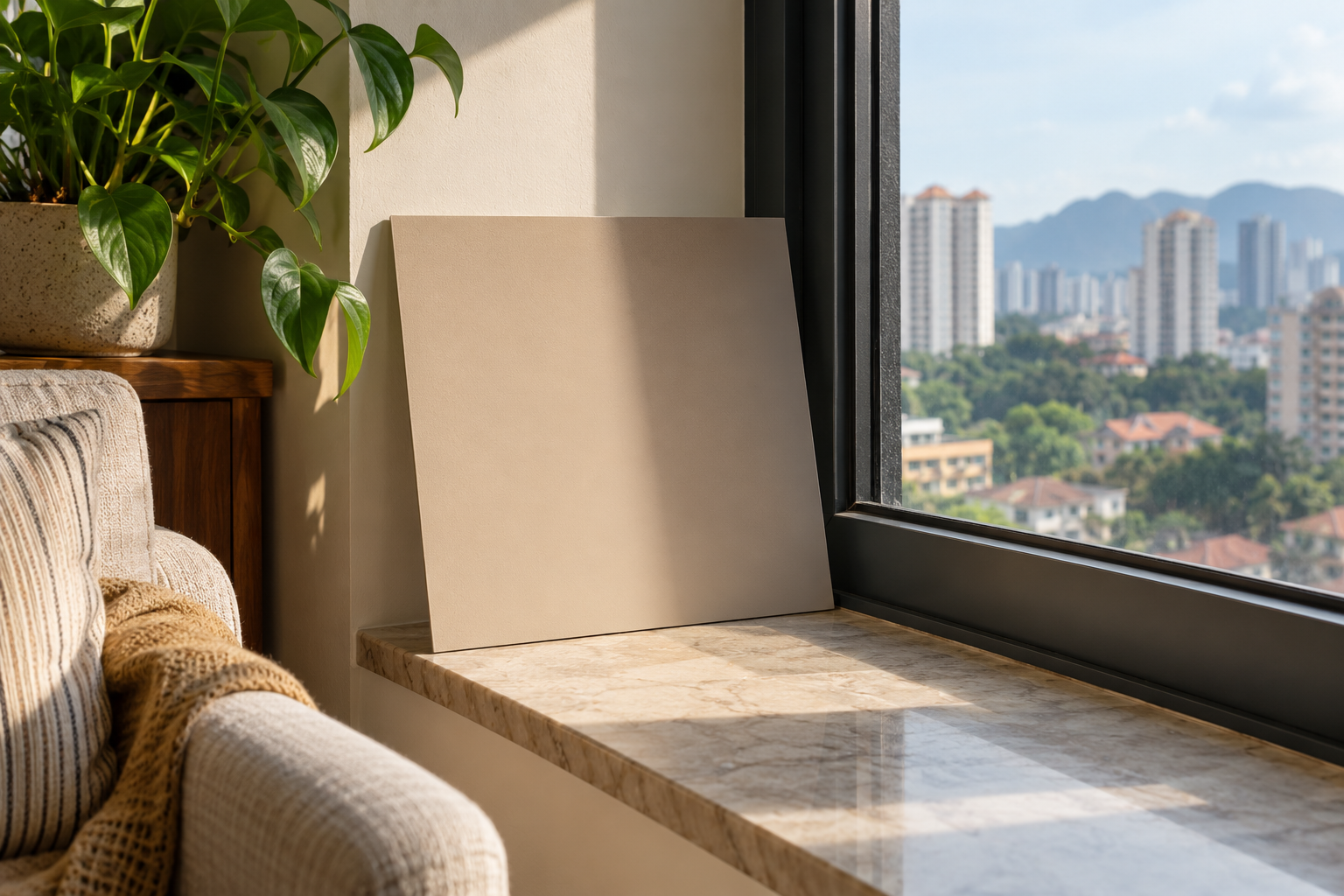
A paint sample can look different at home because its lighting, surrounding finishes and sample format differ from the shop or screen. Review the colour in the actual room under your usual daylight and evening lights, then approve a specific product, shade and finish. A colour name alone leaves too much open.
Decide which lights are staying and which will change. If your final light fittings are still undecided, flag that before making a colour decision. Explain whether you mainly use the room early in the morning, during the day or after work.
Place relevant finish samples together: flooring, cabinetry, curtains or a sofa fabric you intend to keep. You are looking at a combination, not a paint chip in isolation. Keep the comparison manageable by narrowing the choices before the final room review.
Benjamin Moore advises observing samples in natural and artificial light and notes that sample formats may differ from the finished product. Ask the chosen supplier what the sample represents, especially its sheen and whether it is intended only for colour selection.
Ask the painter or supplier for an appropriate sample arrangement for the proposed product and wall. Record which surface or sample board you reviewed. Do not assume a phone simulation or a printed card predicts the finished wall exactly.
Look from the positions you ordinarily occupy: the sofa, the room entrance and the desk. Return under the normal evening lights rather than making every decision during a midday site visit. Note your observations in plain language such as “warmer beside the timber cabinet”, without inventing a technical colour diagnosis.
In a hypothetical Selangor condo, the owners like a neutral shade in the showroom but find it too cool under their existing lights. Reviewing a sample at home gives them an opportunity to reconsider before the painting order is confirmed.
Save the following together:
A photograph is a useful reminder of the location, but keep the written reference as the order instruction. Camera settings and screens can change the appearance of the image. Label alternatives clearly so an old option is not mistaken for approval.
Include the approved references in your quotation record and coordinate other finishes through the renovation service brief.
You can record a decision there, but identify the actual sample and product in the message. A screenshot with “this one” is difficult to trace later.
Useful reference: Benjamin Moore’s colour sample FAQ. Share your room and finish priorities with Terraflare.