November 24, 2026

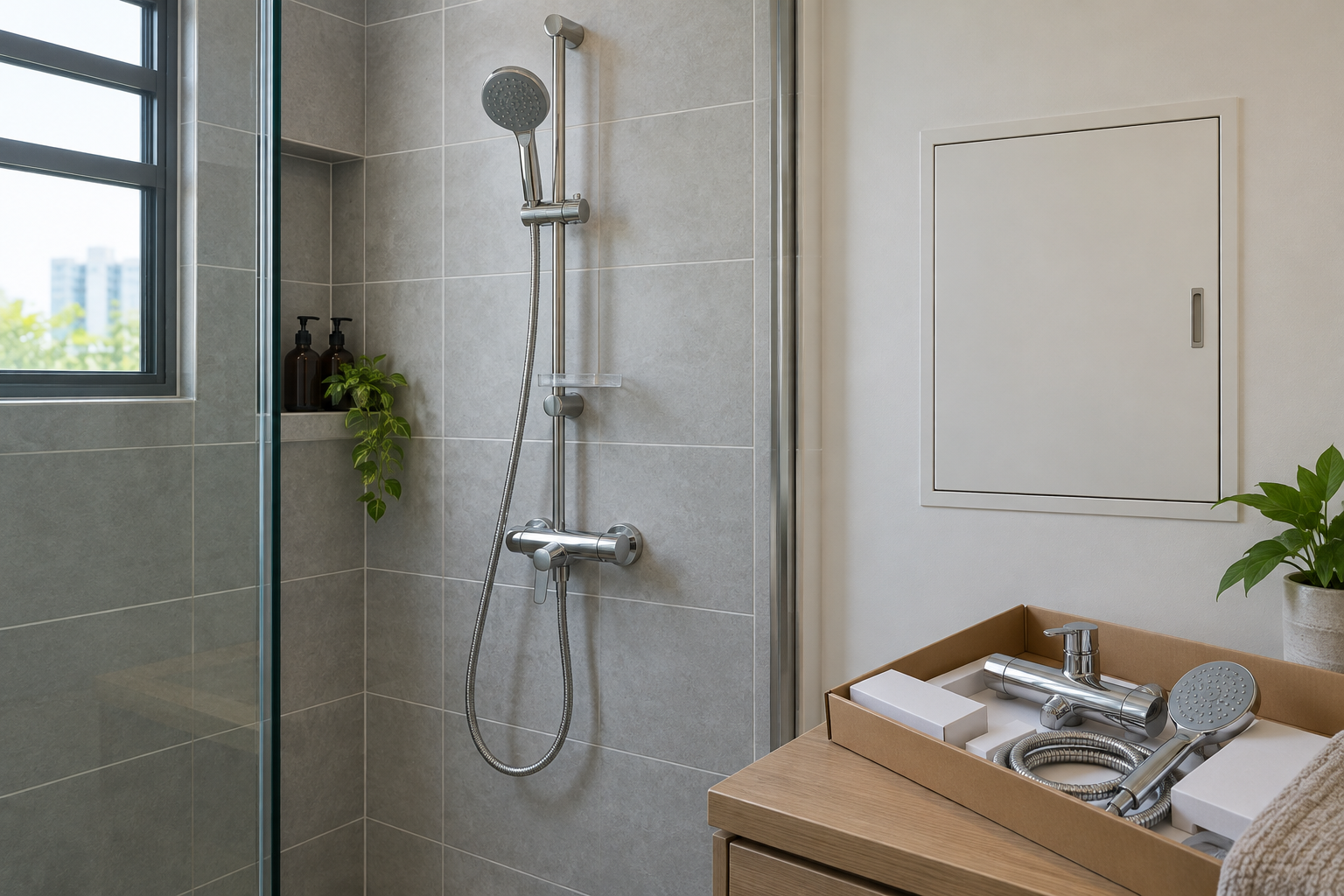
Before planning a subsale renovation, make an inventory of the existing fittings and label each one: keep, remove, assess or undecided. Record what is present, what you know about ownership and what condition information is still missing.
A viewing photograph is not a complete handover record. For first-time buyers in KL or Selangor, the inventory helps separate what you expect to receive from what is actually available for the contractor to assess and include in the work.
Check the relevant property and handover documents when confirming which fittings are included. If a movable item or appliance is uncertain, raise the question with the responsible transaction parties. Do not ask a renovation contractor to infer ownership from an old listing photograph.
Once access is available, compare the inventory with the home as handed over. Note missing records or differences factually. Keep any transaction question separate from the renovation instruction so “not yet confirmed” does not become “remove”.
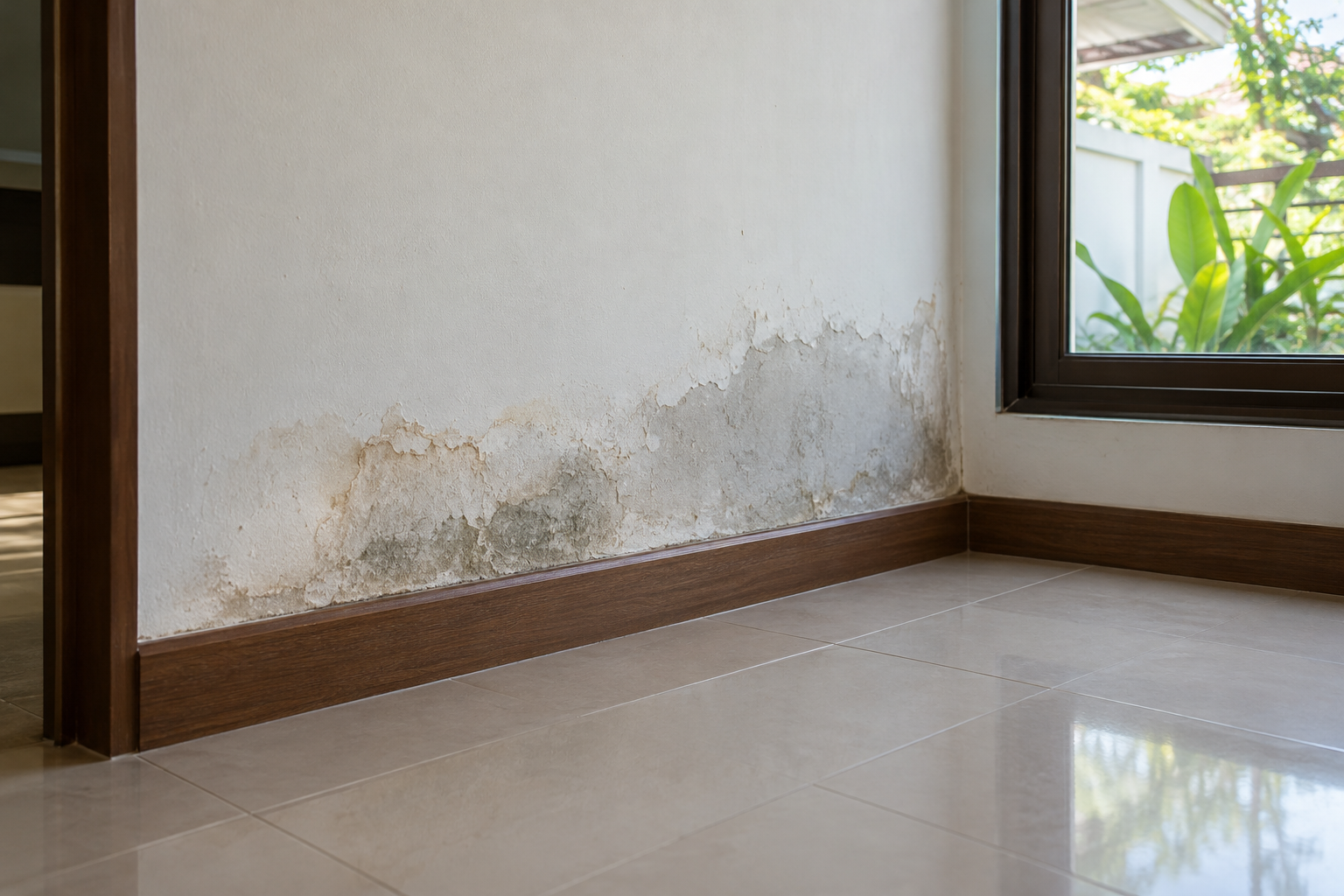
Photograph the whole fitting and any visible issue from an accessible position. Name the room, location and date. “Kitchen lower cabinet, staining near left side” is useful. A presumed explanation about concealed pipes or material failure should remain an assessment question.
Look for product labels or manuals already available without dismantling anything. Model information can help the relevant supplier understand an appliance, but its presence does not prove current condition or suitability for a new layout. Flag items that need an appropriate assessment before deciding whether to retain them.
An example entry could read: “Bedroom wardrobe, ownership confirmed, doors difficult to open during normal use, assess before deciding on retention.” That is clearer than “old wardrobe to go”, especially if someone in the household still hopes to keep it.
Share the current inventory when preparing the subsale renovation brief. Ask for retained items to be identified in the scope and for removal or disposal arrangements to be discussed separately. Update the list if decisions change, and keep the earlier photographs.
Age alone does not settle the decision. Consider your intended use, available product information, visible condition and the appropriate assessment. Keep uncertain items out of a definite retention or replacement instruction until you have enough information to choose.
Send your inventory and the rooms you want to change through Terraflare’s project enquiry page.