November 24, 2026
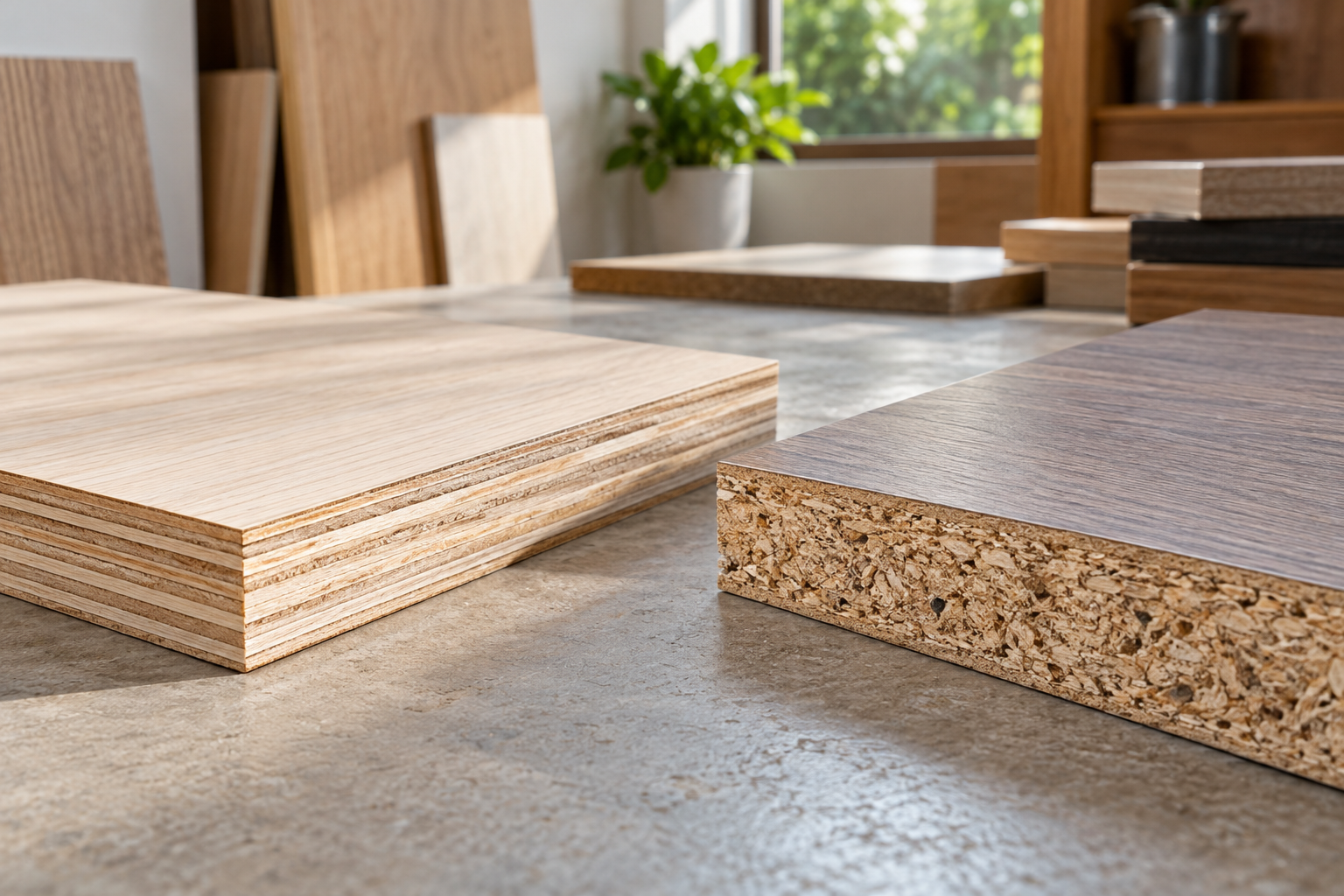
Compare plywood and particleboard cabinets by asking for the actual product, grade, finish, edge treatment and proposed construction. The category name alone is not a complete specification, and it does not establish a universal winner for every cabinet or location.
For a first renovation in KL or Selangor, the practical question is whether the proposed cabinet suits its intended use and comes with clear information. Avoid making the decision from an unnamed board sample or a broad marketing label.
Request the manufacturer or supplier, product identification and available technical information. Ask which parts of the cabinet use that product and whether backs, shelves or fronts differ. Record the proposed thicknesses and finish references in the material schedule.
For example, EGGER distinguishes its moisture-resistant P3 particleboard from its standard P2 faced chipboard in its manufacturer guidance. That illustrates why a specific product designation matters; it is not a recommendation that every particleboard or every P3 product suits your proposed cabinet.
Ask how the selected board is finished and how edges, joints, shelves and hardware are addressed in the proposed construction. If another quotation uses plywood, request the same level of detail for that actual product. A fair comparison needs equivalent information on both proposals.
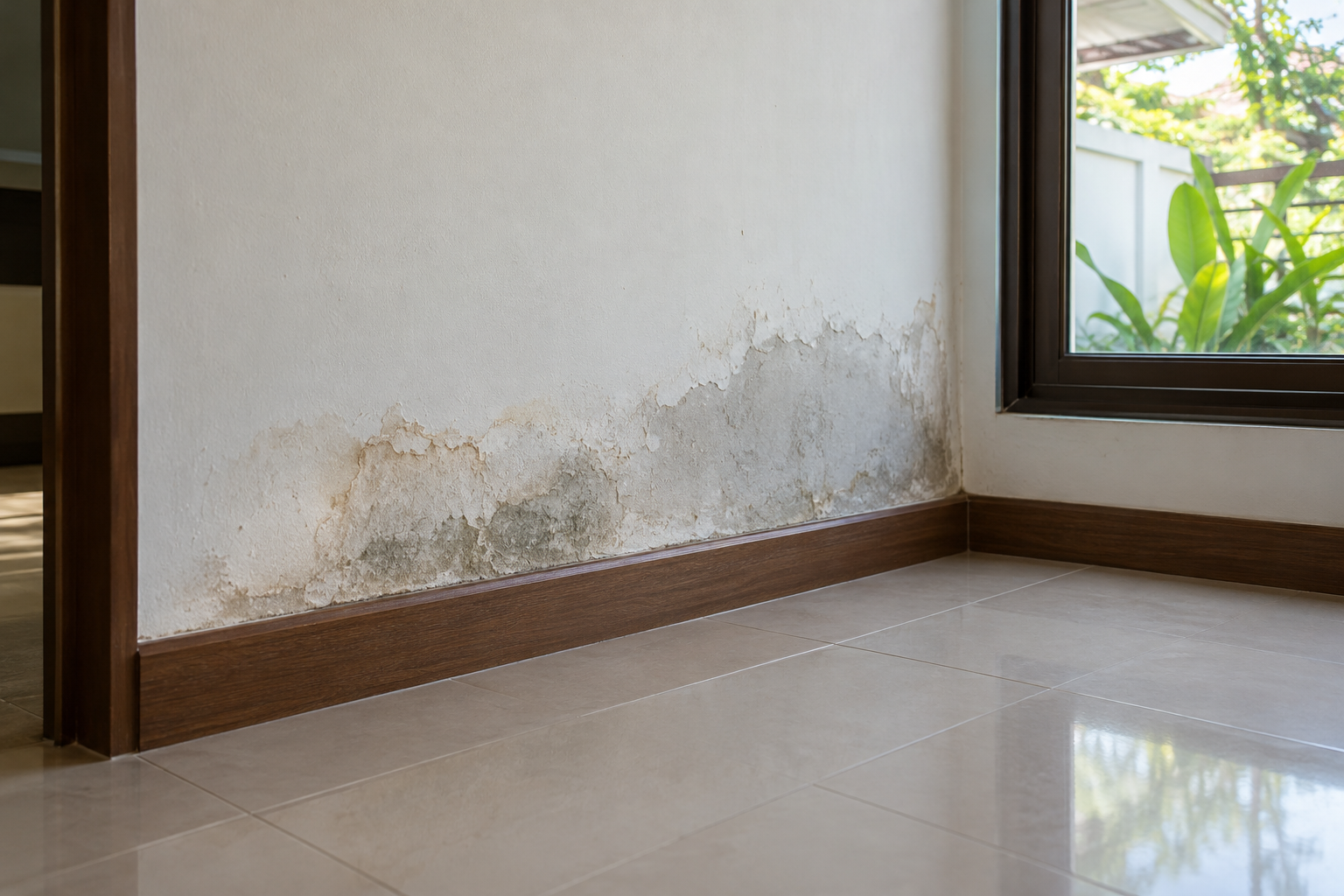
Describe the contents and location clearly. A wardrobe and a cabinet beside a sink present different planning questions. Tell the supplier about known dampness or other existing concerns so they can be assessed appropriately, rather than expecting a material label to resolve an uninvestigated problem.
Keep any performance statement tied to the named product and its documentation. Ask what a term such as “moisture resistant” means for the proposed application and what conditions remain outside the supplier’s recommendation. Do not silently turn it into a waterproof claim.
Review the comparison with the custom cabinetry team. If the supplier proposes a substitution, ask for the new identity and specifications before approving it, even when the visible colour appears unchanged.
A blanket ranking does not settle your cabinet brief. Compare the actual products, construction, use and supporting information. If a claimed advantage affects your decision, ask the supplier to explain it for the named product and proposed conditions.
Send your intended cabinet location and material questions through Terraflare’s project enquiry page.