November 24, 2026

Tell the plumber exactly where the floor-trap odour occurs, when it is noticeable and what you observe during ordinary use. Include any slow drainage, unusual sounds or visible overflow without deliberately recreating the problem. Avoid choosing a chemical treatment or replacement fitting before the condition has been assessed.
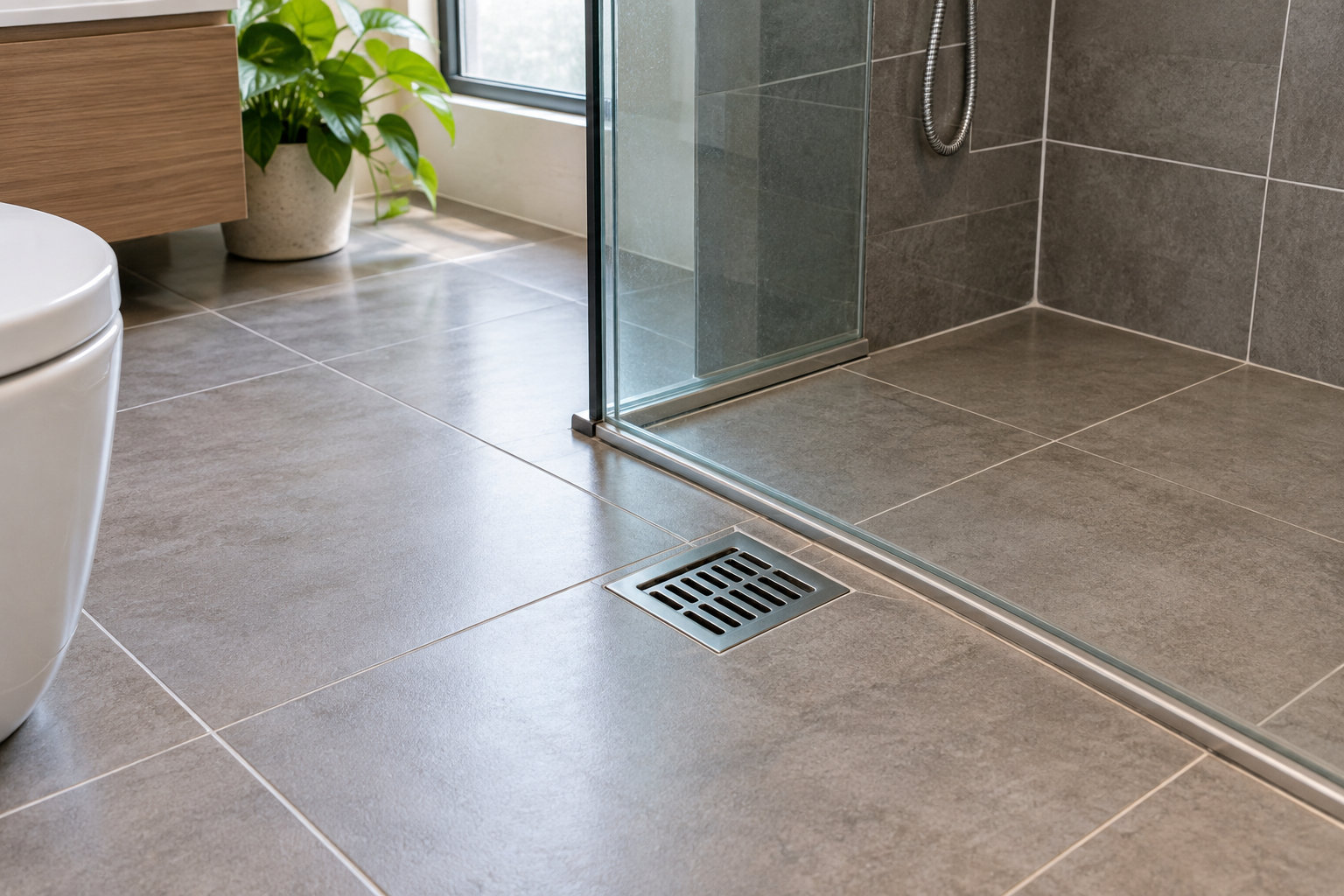
Identify the bathroom, kitchen or utility area and photograph the visible grating in its surroundings. If there is more than one floor trap, label them on a simple sketch. A close-up of one similar-looking cover can be difficult to locate later.
Record whether the odour is constant or intermittent, when it first appeared and whether the area had been unused. Note normal household events such as returning after travel or using a nearby fitting. These are observations for the plumber, not a diagnosis.
Do not lean over an opening to investigate the smell closely or dismantle concealed drainage components. The visible arrangement and a factual description are sufficient for the first enquiry.
Explain any changes noticed during normal use: slower water movement, gurgling, water appearing elsewhere or an odour around another fitting. If the concern affects more than one room, record that distinction.
Share what has already been done and the products used, including any previous contractor visit. Do not combine or add cleaning chemicals in an attempt to improve the evidence before the plumber arrives. Give the plumber the available product names so the work area can be assessed appropriately.
Singapore HDB’s floor-trap guide identifies more than one possible reason for odour, including foreign material and extended non-use. It is useful background, not a diagnosis or Malaysian installation specification for your home.
Prepare this short brief:
For a hypothetical condo enquiry, “Guest bathroom floor trap A smells on returning after travel; no overflow observed; photo attached” gives the plumber a clearer starting point than “replace all traps”.
Ask whether a site visit is needed and whether building-management coordination may be relevant. Do not assume the issue belongs to a shared pipe or an individual fitting from the smell alone.
Use Terraflare’s repair service overview and the condo coordination checklist when explaining access.
Ask the plumber to assess suitability and the actual concern before buying. A cover should not be assumed to resolve every drainage or odour issue.
Useful reference: HDB floor-trap background guidance. Share your observation brief with Terraflare.