November 24, 2026

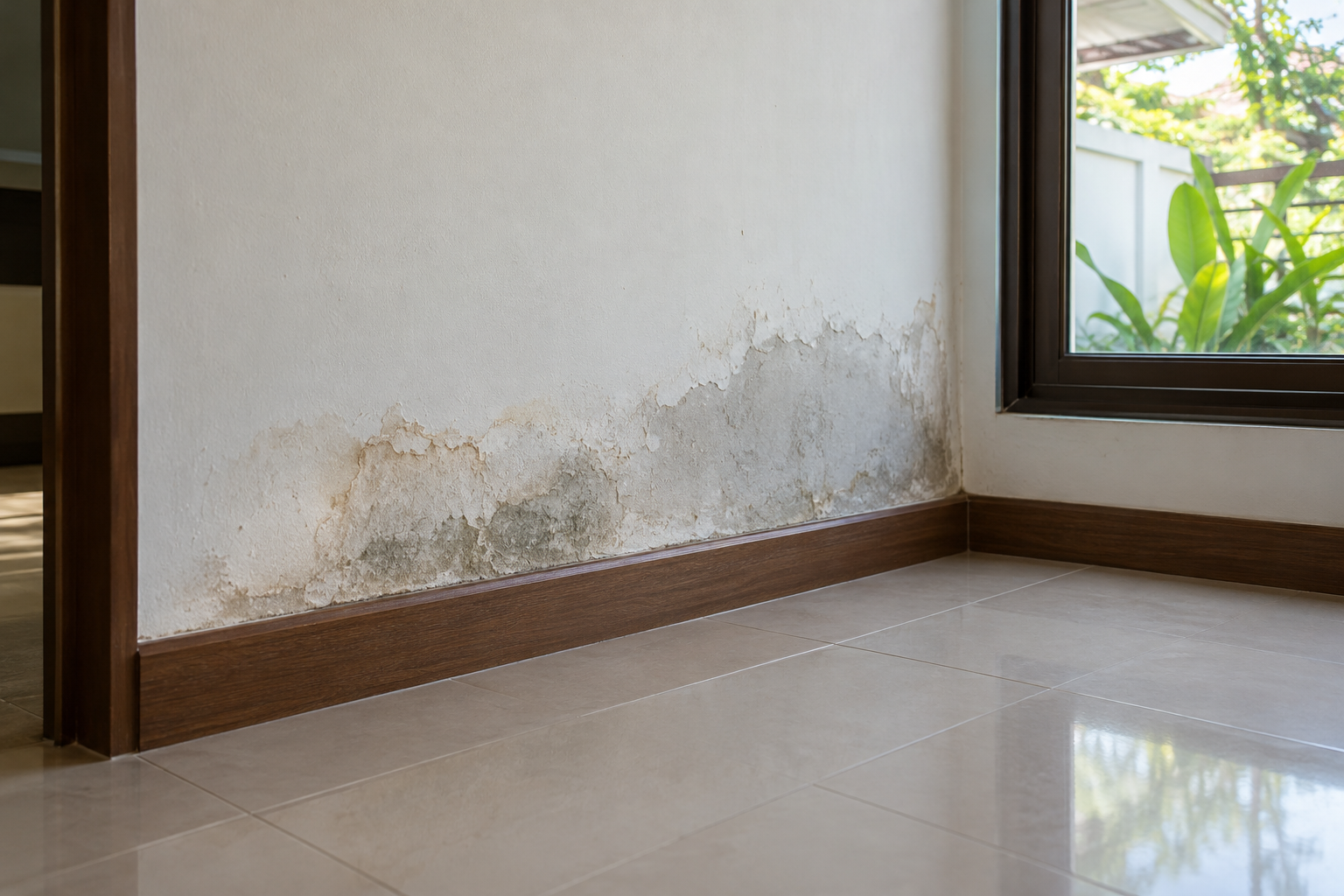
For a recurring wet patch, keep a dated record of its location, appearance and timing, then arrange suitable assessment. Explain what changed and what was happening around that time without declaring a cause. A useful record helps the assessor understand the history; it cannot prove where concealed water originated.
Name the room and wall, ceiling or floor area. Use a recognisable nearby feature, such as “beside the bathroom doorway”, and mark the location on a simple sketch. Take one overall image and one detail image from an accessible position.
Use the same label for later photographs. If the patch changes shape, keep the earlier pictures rather than replacing them with only the newest view. Note the approximate extent without climbing or disturbing the surface.
Avoid touching affected electrical fittings or opening service panels to investigate. If the condition affects access or nearby equipment, tell the responsible professional when arranging the visit.
Record when you first noticed the patch, when it became more visible and when it appeared to reduce. Add normal events such as rain, bathroom use or time away from home. Do not deliberately flood an area or run an appliance to create a test condition without professional direction.
A hypothetical KL condo log might read: “Hall wall, patch A; first noticed Monday evening; darker on Wednesday; photograph taken Friday before any repainting.” That is more useful than a series of photos sent with “still leaking”.
PUB’s household guidance lists discolouration and peeling finishes among signs worth noticing around water concerns. The EPA emphasises addressing water problems rather than simply covering affected surfaces. Neither source identifies the cause of your particular patch.
Include:
Ask who should assess the condition and what coordination may be needed. In a strata building, access to another area or shared services may require management arrangements. State what is known and let the responsible people determine the next steps.
Keep any proposed decorative repair separate until the assessment and relevant work are explained. Use the repair service overview and condo coordination checklist for the broader brief.
Do not make repainting the investigation method. Preserve a clear record and ask the responsible assessor what should happen before the finish is disturbed or renewed.
Useful references: EPA water-problem guidance and PUB household observations. Send your dated record to Terraflare.