November 24, 2026

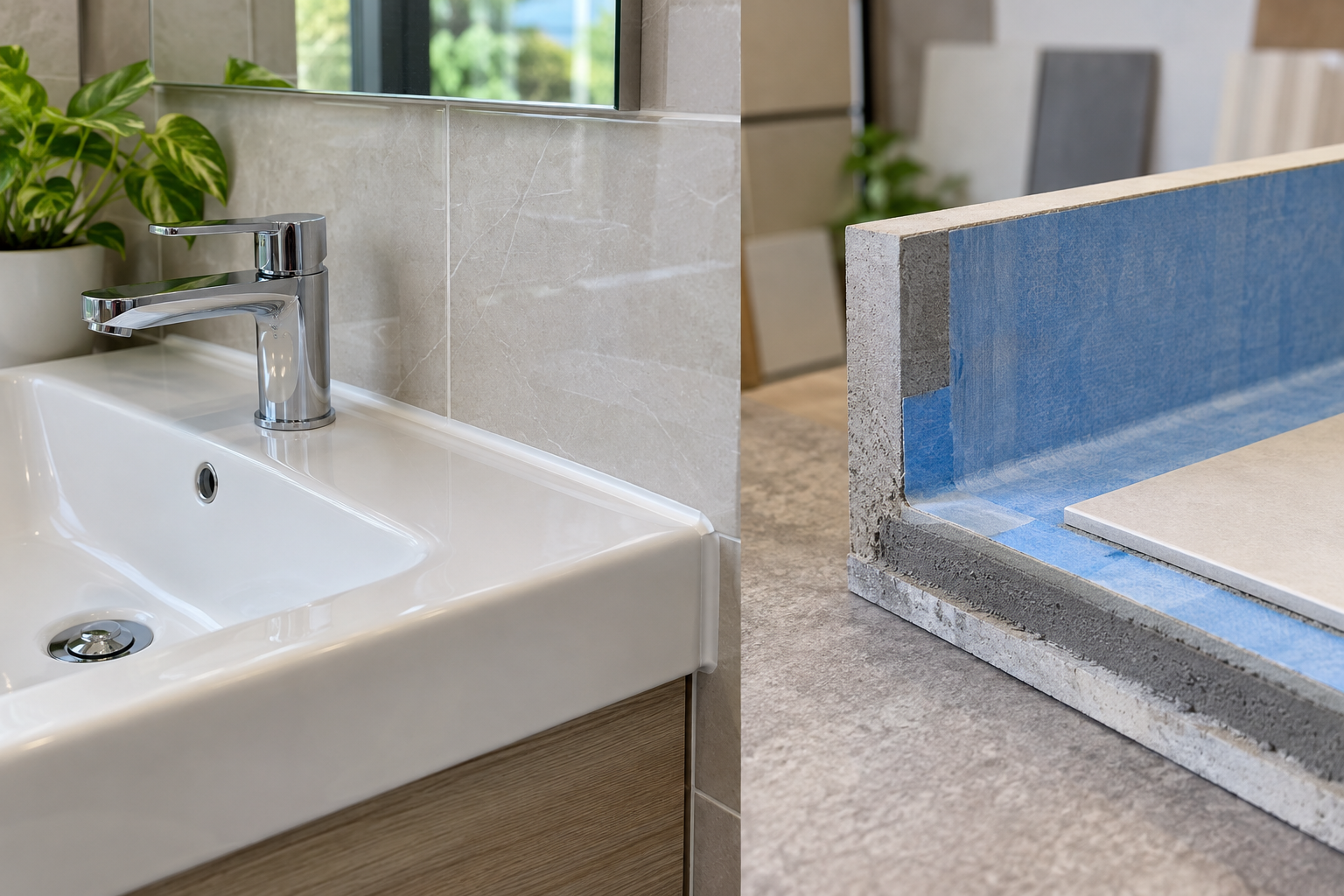
Bathroom silicone work and waterproofing work should be described as different scopes. A visible sealant repair concerns identified joints; waterproofing concerns the specified water-management system and its details. Do not assume that replacing silicone will resolve an unseen leak, or that a tidy new joint proves the bathroom is watertight.
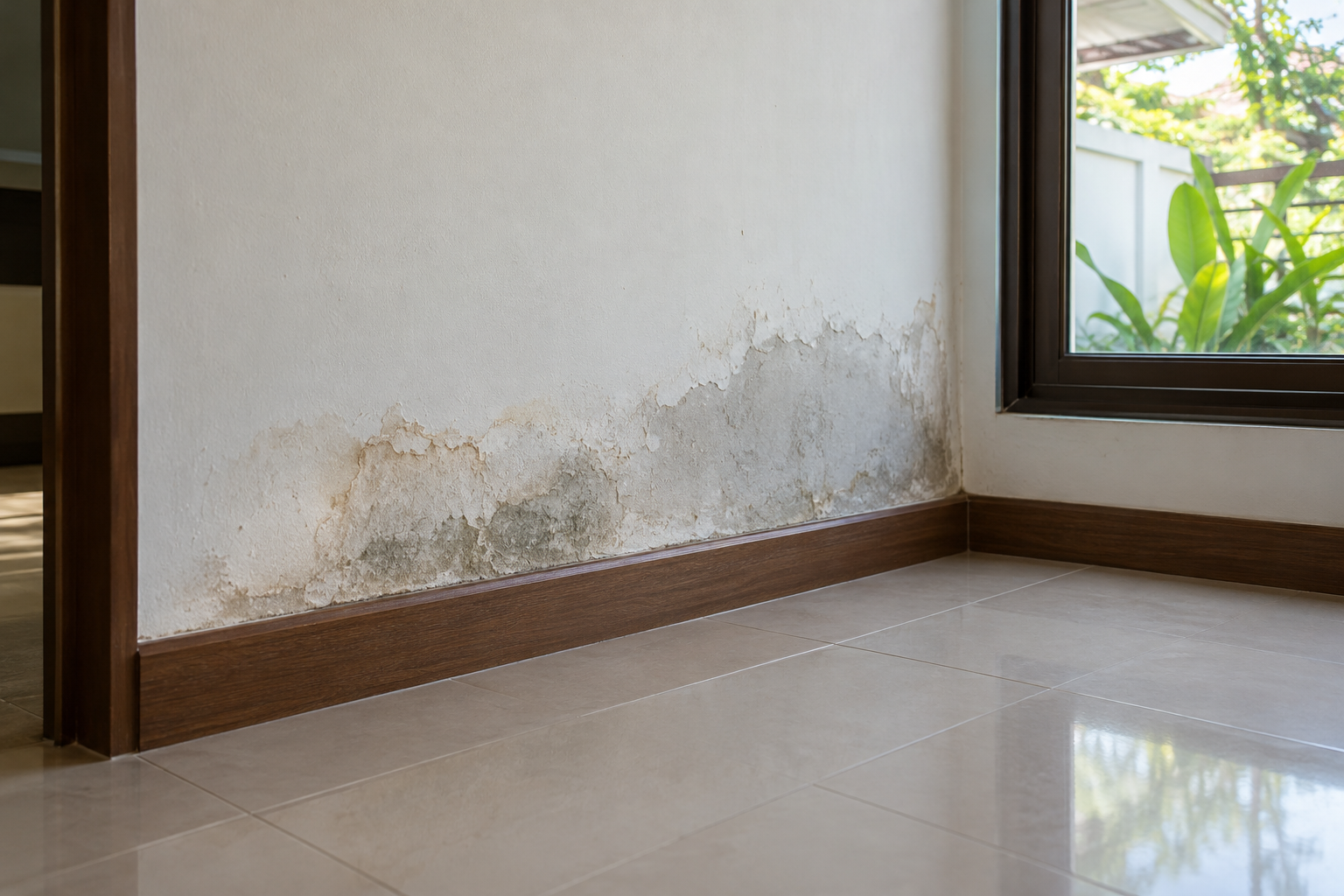
Photograph the complete bathroom and the affected joint from a normal accessible position. Note whether the visible concern is a gap, discolouration, peeling material or water appearing elsewhere. Include dates and any recurrence after earlier work.
Keep those observations separate from a diagnosis. “Water appears outside the shower after ordinary use” is a useful statement. “The membrane has failed” requires an appropriate assessment and cannot be established from that description alone.
If water is appearing in another room or unit, record the affected location as well. Arrange the relevant professional and building-management coordination without dismantling finishes to trace the route yourself.
For a sealant proposal, identify the exact joints, removal and preparation scope, selected compatible product and manufacturer’s readiness instructions. Ask what the contractor expects that work to address and which concerns remain unassessed.
For waterproofing work, ask the responsible contractor to explain the assessed condition, proposed system, connected tile or fitting work and how the specified work will be checked. Keep the product documents and agreed records rather than relying on a generic “waterproofing done” note.
Schluter and MAPEI both explain that tile and grout alone do not constitute the shower’s waterproofing system. A decorative surface and the assembly managing water are related parts that still need clear scope boundaries.
A hypothetical Selangor bathroom enquiry might include visibly deteriorated sealant and a damp mark outside the room. The owner should request assessment of the damp mark and a clearly bounded sealant proposal, without assuming one automatically resolves the other.
Clarify:
Ask who coordinates plumbing, tiling and other affected trades. If additional work is proposed after assessment, obtain the revised scope before treating it as part of the original price.
Use the tiling and flooring service overview and quotation checklist to record these interfaces.
Only an appropriate assessment can establish whether the proposed sealant work addresses the actual cause. Do not accept or expect that result from a photograph or a general promise.
Useful reference: Schluter’s shower-system overview. Share the joint photos and separate observations with Terraflare.