November 24, 2026

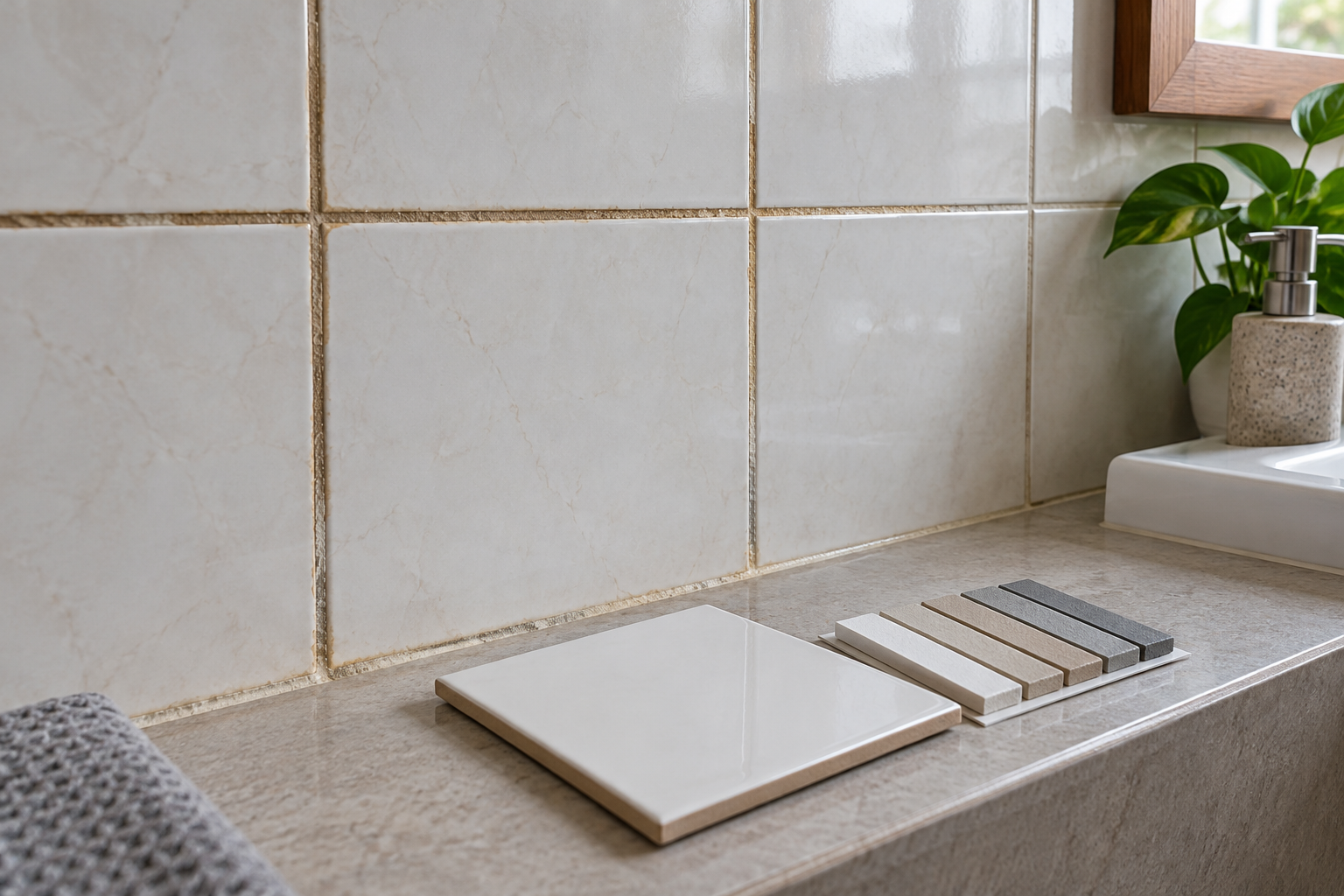
A grout refresh and tile replacement are different work scopes. Start by describing what you see and asking what the proposed repair is intended to address. Do not assume that changing visible grout will resolve movement, moisture or a problem beneath the tiles.
List whether the issue is colour variation, staining, missing grout, a recurring crack or an affected tile. Record the location and whether the appearance has changed. Include overall and detail photographs with dates.
If the same joint has been repaired before, share that history and the material information you have. “This line opened again after the previous repair” is useful. “The grout brand failed” is a conclusion that needs evidence.
Ask the contractor to distinguish appearance work from investigation or repair of another condition. The Tile Council of North America notes that site inspection is needed to evaluate potential reasons for cracked tile. A homeowner’s photograph is a starting record, not a technical diagnosis.
For grout work, ask which joints are included, which product is proposed and how surrounding tile finishes will be protected. Discuss the expected visual result and whether existing variations will remain.
For tile replacement, ask about removal, matching supply, affected adjoining joints and making good. If the work is in a wet area, ask the responsible contractor how any affected underlying system will be assessed and handled. MAPEI’s FAQ distinguishes tile and grout from waterproofing; a fresh visible finish should not be treated as proof of a watertight assembly.
Neither scope should quietly expand because an unknown condition appears. Agree how findings will be recorded and discussed before additional work proceeds.
For a hypothetical KL bathroom, one option might concern discoloured grout in an otherwise assessed area, while another includes replacing an identified damaged tile. Comparing them requires more than the final total.
Record:
Request the final recommendation in plain language. Ask what it is expected to change and what remains outside that scope. Keep that explanation with the repair quotation and your tiling service brief.
It is a different intervention, so suitability should come before comparing cost. Ask whether it addresses the actual assessed concern rather than selecting it simply because less material is removed.
Useful references: MAPEI tile and grout FAQ and TCNA assessment guidance. Discuss the observed issue with Terraflare.