November 24, 2026
Before choosing the final finish after wallpaper removal, ask how the exposed wall will be assessed and what preparation is included. The condition beneath the wallpaper may not be fully visible at quotation stage. Treat removal, assessment, repairs and the new finish as connected decisions with clear boundaries.
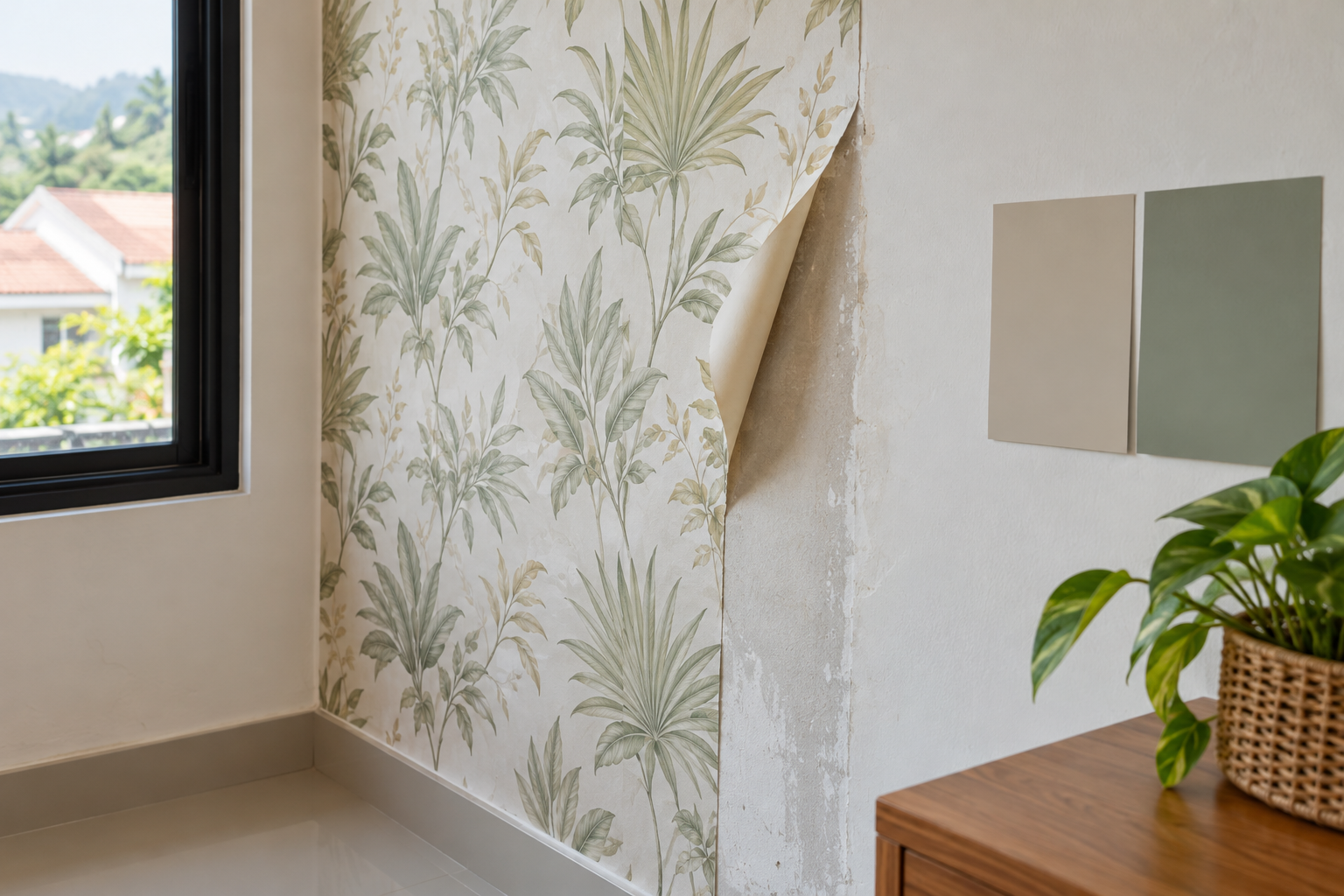
Photograph each wallpapered wall, including seams, lifted edges and visible marks. Note whether the paper has been painted over and any previous removal attempt you know about. Keep the information factual; a bubble alone does not establish the hidden wall condition.
Tell the contractor which surrounding finishes must remain, such as timber trim, fitted cabinets or existing flooring. Ask what protection and access are needed. Do not try an aggressive removal technique to produce a small “test patch” before the contractor has assessed the surface.
In a hypothetical subsale condo, the owner may have inherited several wallpapered feature walls with no installation records. Mark the unknown substrate and adhesive history in the brief rather than assuming all walls will need identical preparation.
Ask what the removal price covers and what happens once the wall is exposed. Does the scope include dealing with remaining adhesive, identified local repairs and preparation for the chosen finish? Which additional conditions would require a separate discussion?
Sherwin-Williams’ wall preparation guidance distinguishes old wallpaper removal, adhesive removal, wall repair and preparation for a new covering. This supports naming the stages separately, while leaving the actual methods to the responsible contractor and product guidance.
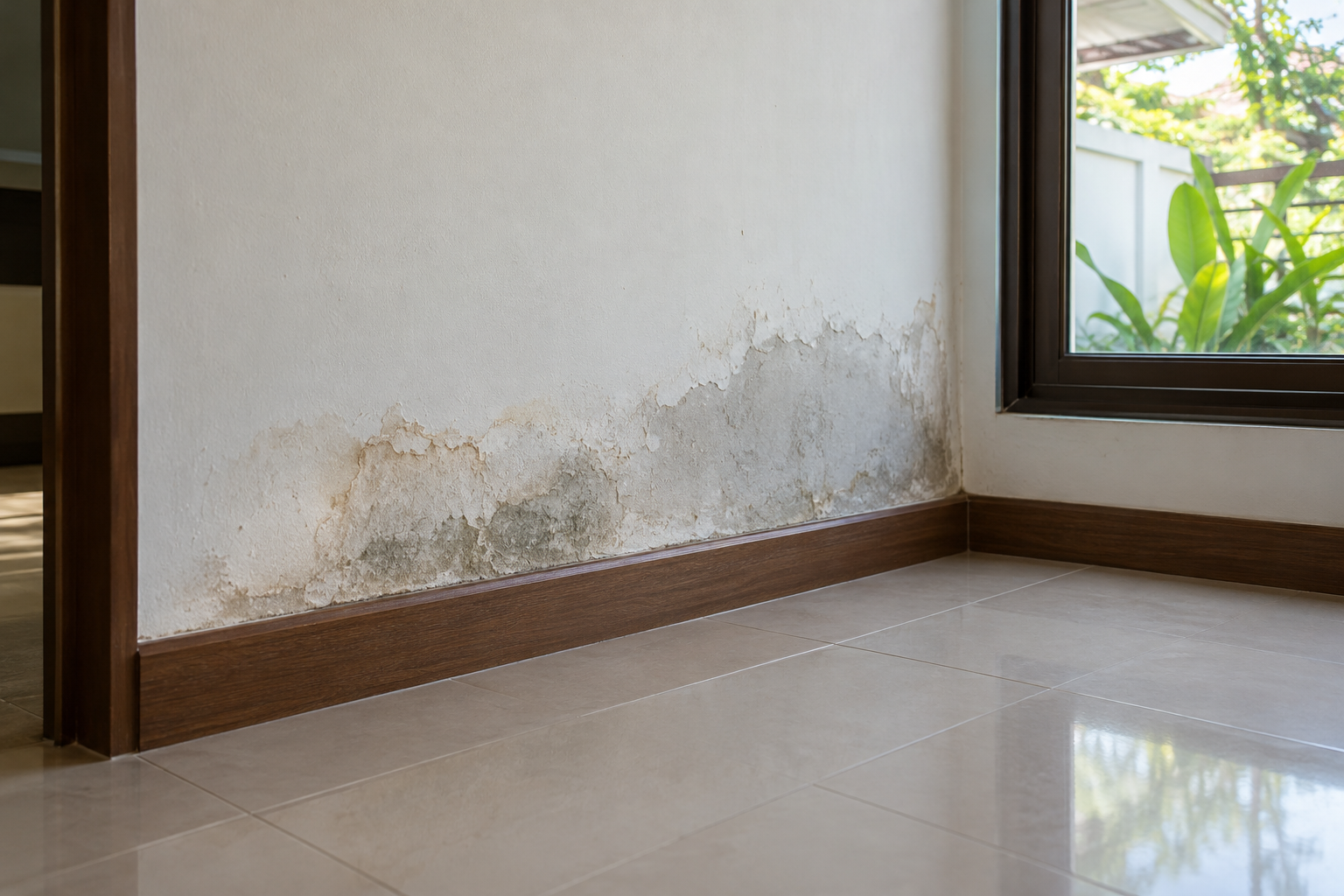
If there are moisture concerns or damaged areas, ask who will assess them before decoration. A new finish should not become the assumed answer to a condition that remains unexplained.
Agree a simple checkpoint after the relevant wall is exposed:
You can shortlist colours or materials in advance, but label the finish decision provisional if substrate preparation is unresolved. This avoids ordering a decorative product before the wall requirements are understood.
The subsale renovation guide helps organise inherited conditions. Use the quotation checklist to make removal and making-good exclusions visible.
Ask the painter to assess the particular covering and wall. Do not treat painting over an unknown existing material as the default shortcut. The supplier should explain suitability, preparation and limitations for the proposed system.
Useful references: Sherwin-Williams wall preparation guidance and Behr wallpaper removal overview. Discuss your wall photos and intended change with Terraflare.