November 24, 2026

A useful custom cabinet quotation should show what is being made, its dimensions, materials, internal layout, hardware and installation scope. A price for a length of cabinetry is only a starting point: compare the specification behind it before comparing the total.
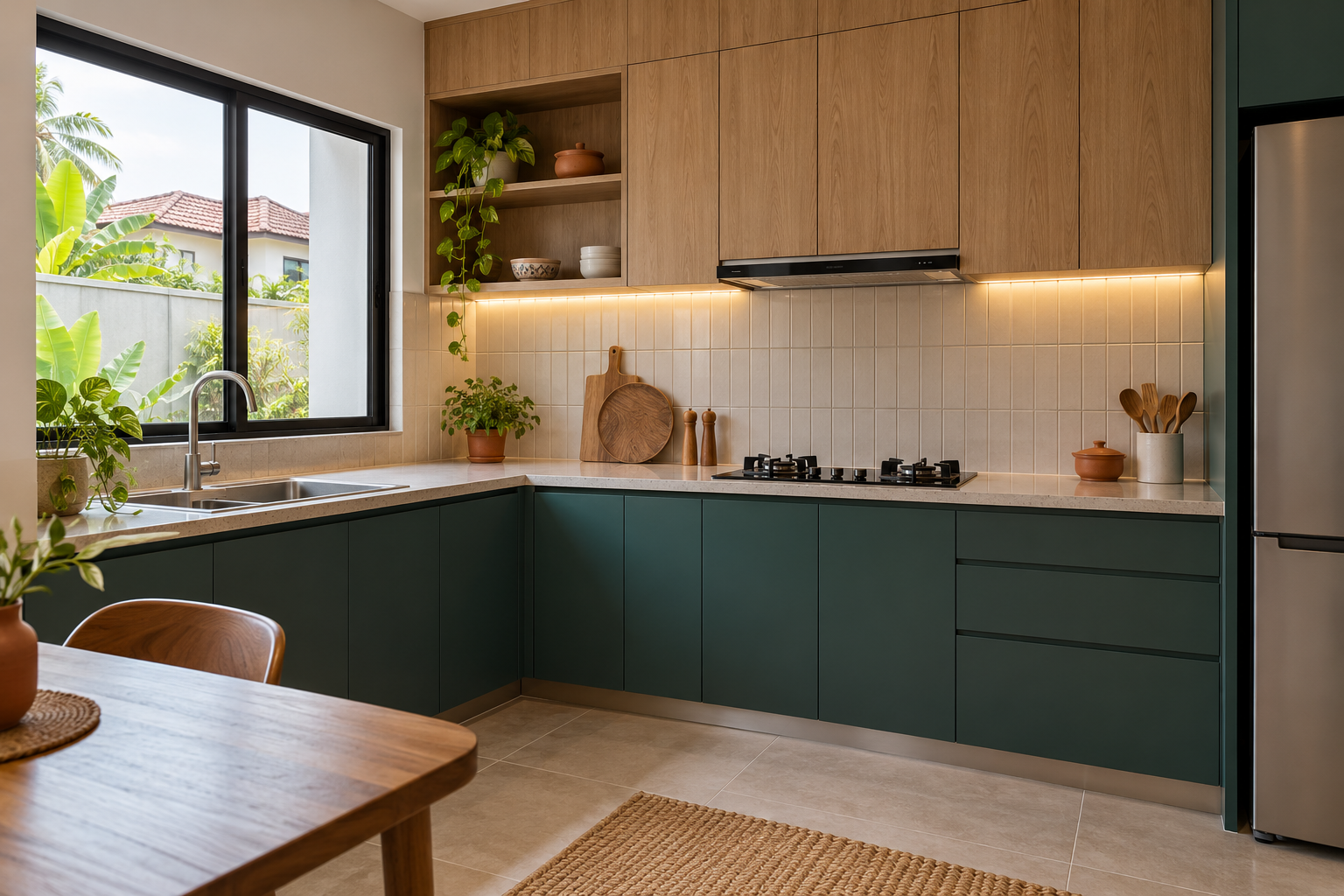
For a home, shop or office in Kuala Lumpur or Selangor, the first step is to explain how the cabinet will be used. You can prepare that brief without knowing every material or fitting name. This checklist helps you ask clear questions before measurements, drawings and orders are finalised.
List the items it must hold and how you need to reach them. A kitchen base cabinet, wardrobe, reception counter and retail display may look similar in a reference picture but have different practical requirements.
Separate essential functions from optional features. If you are refreshing an existing kitchen, decide what can remain before requesting new cabinetry; our small kitchen refresh guide can help with that decision.
Ask each quotation to identify the units and their width, height and depth. Keep base cabinets, wall cabinets, tall units and separate counters distinct. If a rate is quoted per foot or metre, ask how that length is measured and which cabinet size and configuration the rate assumes.
Mark preliminary dimensions clearly. Ask who takes the final site measurements and when the layout will be confirmed for production. Mention skirting, beams, nearby doors, sockets, pipes and anything else visible that may affect the installation.
Share the exact model information for appliances or equipment that must fit. The maker should check the relevant installation requirements, access and clearances before finalising the cabinet. A photo of a similar appliance is not a substitute for the chosen product’s information.
Request a drawing that shows the internal arrangement as well as the outside appearance. Confirm how many shelves, doors and drawers are included. An attractive front view alone does not explain the usable storage.
Ask for the material and thickness of the cabinet body, doors, shelves, back panels and drawer parts where applicable. Record the surface finish, colour or product code, visible edges, exposed side panels and any worktop as separate details.
Descriptions such as “premium cabinet” or “wood finish” are too broad for a useful comparison. Request the proposed product information and samples where available. Ask what happens if a selected finish is unavailable and whether a substitute must be approved before ordering.
Describe the actual conditions: for example, a pantry sink nearby, frequent cleaning or heavy daily use in a shop. Ask the maker to explain the proposed materials’ suitability, limitations and care requirements for that location. Do not choose from a colour image alone.
If new units will sit beside existing cabinetry, discuss the expected colour, texture and profile match. Keep the agreed sample or product reference with the drawing so everyone is working to the same selection.
“Soft-close” describes a function; ask which brand and product range are proposed, how many fittings are included and which doors or drawers receive them. Also identify handles, lift fittings, locks, baskets, dividers and other accessories that affect the price.
Tell the maker what will be stored, especially in drawers or display units. Ask them to confirm the hardware and cabinet construction are suitable for that intended use, rather than choosing from appearance alone.
Blum’s cabinet planning resources, for example, connect cabinet dimensions and internal layouts with the selection of hinge, pull-out and lift systems. The practical point for your quotation is to have the actual fittings specified and checked for the proposed cabinet. Product selection remains project-specific.
Comparison example: a cabinet with two doors and open shelves is a different specification from one of the same width with several drawers, internal organisers and locks. Ask both providers to price the agreed arrangement before judging the difference in their totals.
Ask whether the quotation includes site measurement, drawings, delivery, carrying the units into position, assembly, installation, final adjustment and waste removal. Mention stairs, lift bookings, parking, loading access and building work hours early.
List any existing cabinets to remove and clarify disposal and repairs to the surrounding wall or floor. Ask which finishing details are included, such as fillers, end panels and agreed joints around the new units. These should not be left to assumptions.
Keep related work visible: worktops, sinks, taps, appliance connections, lighting, electrical points and plumbing may involve other suppliers or trades. Record who supplies each item, who installs it and who coordinates the sequence. Ask for any separate charges and exclusions before confirming the order.
For a shop project, our shop renovation quotation checklist helps compare cabinetry with the wider renovation scope.
Keep a dated final drawing and specification, including the selected finishes and hardware. Confirm the point at which production is authorised and how later changes to dimensions, layout or products would affect cost and timing.
Ask for quotation validity, payment milestones and whether applicable taxes are included. Record any measurement or design charge and the stated treatment of that charge if you proceed. Obtain the agreed terms rather than assuming every provider follows the same process.
Discuss timing in stages: final measurement, decisions, material availability, production, delivery and installation. Tell the provider about your move-in or shop-opening target, but confirm dependencies before relying on an early estimate as a firm completion date.
At handover, compare the installed units with the agreed layout and selections. Open doors and drawers normally with the installer present, check the agreed fittings and record unfinished items or visible damage. Confirm that intended equipment and service access have been considered.
Request care instructions and the actual warranty terms offered for materials, hardware and installation. Clarify who to contact, what is covered and any exclusions. Keep the approved drawings, product references, quotation and invoice together.
Ask whether a preliminary estimate is possible and send the cabinet’s purpose, location, photos and approximate dimensions. Confirm what remains subject to site measurement and final specification, including any visit charge.
No. Check the assumed height and depth, cabinet type, materials, internal layout, hardware and installation scope. A rate becomes useful only when those assumptions are clear.
Ask for an assessment of what can remain and what needs repair or replacement. Our cabinet door and drawer repair guide helps prepare the information for that discussion.
For workplace storage, the office pantry cabinet planning guide shows how appliance details, shared use and maintenance access can change the specification you need to quote.
For custom cabinetry enquiries in Kuala Lumpur and Selangor, send your area, cabinet purpose, photos, rough dimensions and preferred timing to Marvin Ong on WhatsApp at +60 12-523 3966, or use our contact page. Mention whether the cabinet is for a home, shop or office.
You can start with: “I need a cabinet for [purpose] in [area]. I can share photos, rough dimensions and the items it needs to hold. My priorities are [storage / display / counter use]. Please explain the information needed for a quotation, any measurement charge, and what is included in supply and installation.”
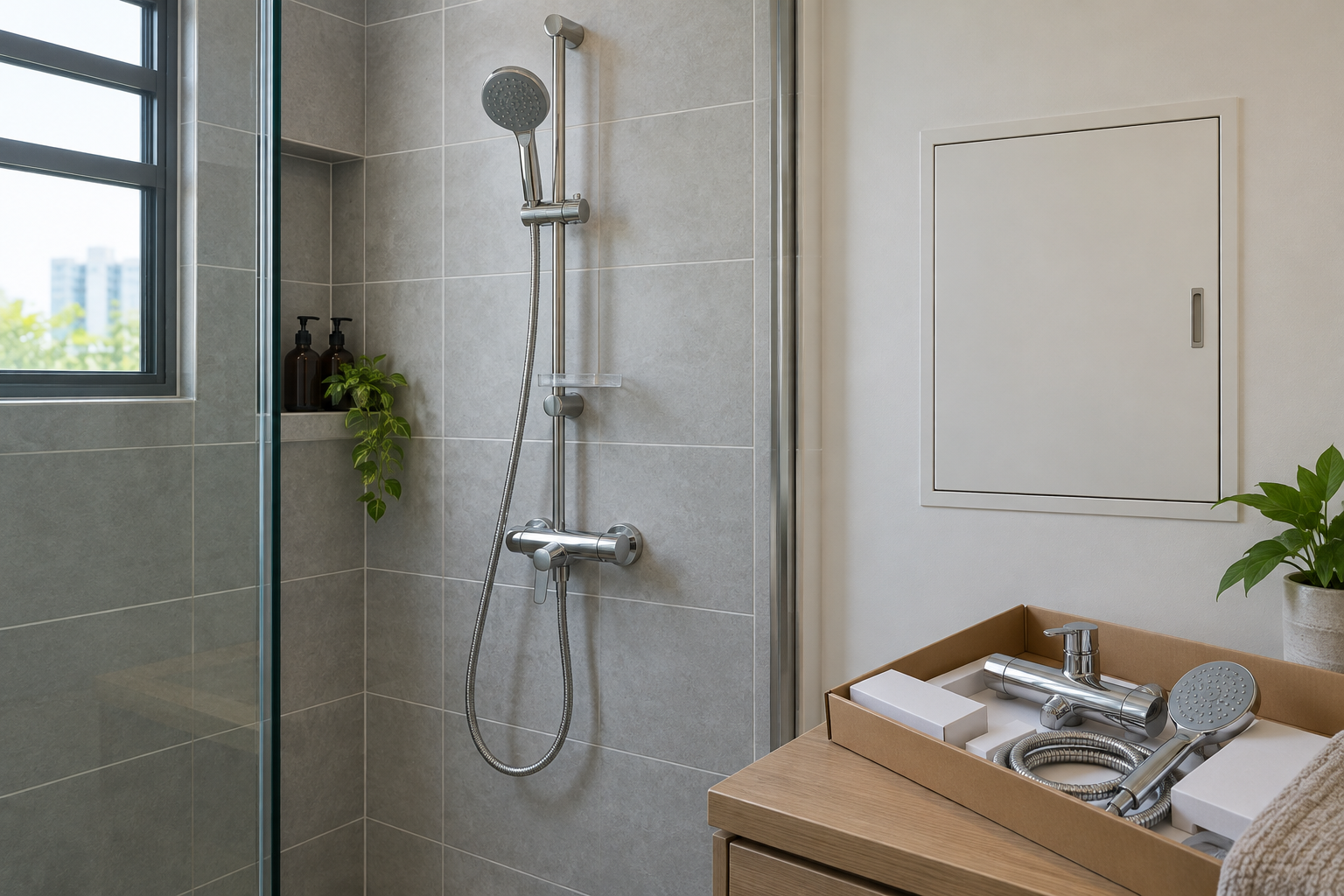


[…] dimensions, internal layout, materials, finishes, hardware and installation responsibilities. Our custom cabinet quotation checklist helps turn a reference photo into details that can be […]
[…] references and drawings together. Ask how substitutes and later changes will be reviewed. Our custom cabinet quotation checklist covers the detailed specification and price-comparison questions once the layout brief is […]
[…] custom cabinet quotation checklist covers the details to compare, including materials, hardware, measurements and installation […]
[…] 柜体定制报价清单列出值得比较的细节,包括材料、五金、量尺和安装责任。 […]